
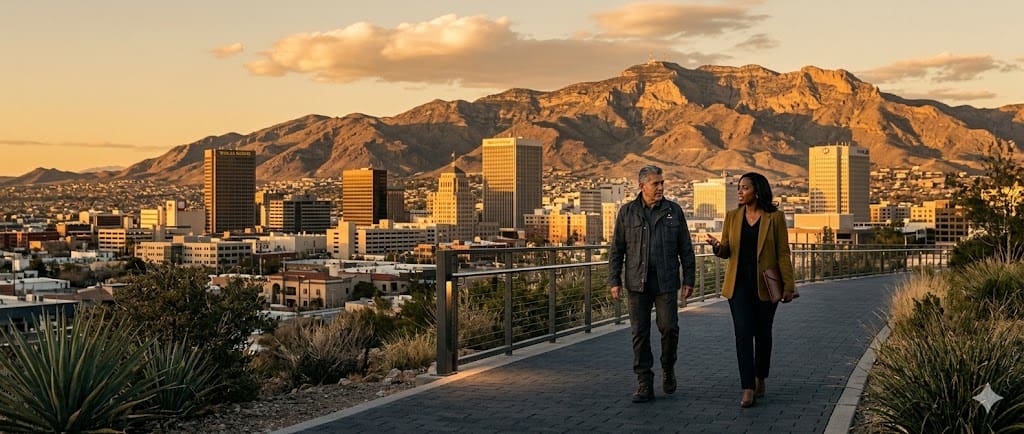
VA Disability Claim Help in El Paso: Why Local Veterans Trust Warrior Allegiance
El Paso is a military city down to its bones. Fort Bliss sits right in the backyard, generations of families have served, and the veteran community here is one of the largest in Texas. But having a big veteran population doesn’t mean the system makes it easy to get what you’ve earned.
Every week, veterans across El Paso sit down at kitchen tables and try to make sense of VA disability claims on their own. They Google forms, dig through medical records, and hope they’re doing it right. Some get lucky. Most hit a wall — a denied claim, a rating that doesn’t add up, or a process so slow it feels like the VA forgot about them.
It doesn’t have to work that way. Warrior Allegiance was founded right here in El Paso by veterans who got tired of watching that cycle repeat. This guide explains why local VA disability claim help matters, what it actually looks like, and why so many El Paso veterans trust Warrior Allegiance to get it done.
Why El Paso Veterans Need Specialized VA Disability Claim Help
El Paso isn’t just any city with a VA office. The proximity to Fort Bliss means this community has an unusually high concentration of veterans — many of whom deployed to Iraq and Afghanistan, trained in harsh desert environments, and transitioned out of service with conditions they’re still trying to get rated.
| El Paso Veteran Community Snapshot | Details |
|---|---|
| Estimated veteran population | 100,000+ in the El Paso metro area |
| Fort Bliss active duty personnel | Approximately 30,000+ soldiers |
| Nearest VA medical center | El Paso VA Health Care System (EPVAHCS) |
| Most common service-connected conditions locally | PTSD, musculoskeletal injuries, tinnitus, sleep apnea, chronic pain, TBI |
| National average VA claim processing time | 150–180+ days for initial claims |
| Fort Bliss deployment history | Heavy rotations to Iraq and Afghanistan (2001–2021) |
Figures are approximate based on publicly available VA and Department of Defense data.
Those deployment cycles left marks. PTSD rates among Fort Bliss veterans run high. Years of carrying heavy gear through desert heat created chronic back, knee, and shoulder problems that didn’t show up on an X-ray until years later. Sleep apnea, tinnitus, migraines — these conditions are everywhere in this community, and many veterans either don’t realize they qualify for benefits or don’t know how to prove the connection.
Specialized claims help isn’t a luxury here. It’s a necessity.
What VA Disability Claim Help Actually Looks Like
A lot of veterans hesitate to ask for help because they don’t know what “help” actually means. It’s not someone filling out a form for you. Real VA disability claim assistance is a full evidence-building process.
Case review. A thorough look at your service history, medical records, current conditions, and existing rating (if you have one). The goal is to identify every condition that could be service-connected — including secondary conditions most veterans miss.
Medical records gathering. Pulling together your service treatment records, VA medical center records, and private medical documentation into one complete package. Missing records are one of the top reasons claims get denied.
Evidence development. This is where the real work happens. Nexus letters connecting your conditions to service. Buddy statements supporting your account. Current medical opinions documenting severity. The evidence package is what the VA rater actually reads when deciding your fate.
Fully Developed Claim preparation. Instead of filing a basic application and letting the VA figure it out, a Fully Developed Claim arrives with everything already attached — medical evidence, supporting documents, and a clear narrative. It speeds up processing and dramatically improves outcomes.
Follow-through. Good help doesn’t disappear after the claim is submitted. It means tracking your claim, responding to VA requests, and stepping in if something goes sideways.
The Problem With Going It Alone in El Paso
El Paso has resources for veterans. The VA medical center is here. Fort Bliss has a Transition Assistance Program. VSO representatives hold office hours. On paper, it looks like the support is in place.
In practice, it’s stretched thin.
VSO representatives carry massive caseloads. The reps serving the Fort Bliss and El Paso area are often handling hundreds of cases simultaneously. They do important work, but individual attention on complex claims is hard to come by when the line behind you never gets shorter.
The local VA is overwhelmed. Appointment wait times, claims backlogs, and bureaucratic bottlenecks aren’t unique to El Paso — but a metro area with 100,000+ veterans feels the pressure more than most. Getting a timely C&P exam can be a battle in itself.
Veterans don’t know what they don’t know. The biggest losses happen before a claim is even filed. A veteran with a bad back might not realize that the radiculopathy shooting down his leg is a separate ratable condition. A veteran with PTSD might not know that her sleep apnea could be claimed as secondary. These missed connections leave money — and ratings — on the table every single day.
Denied claims pile up. When a veteran files without proper evidence and gets denied, many assume that’s the end. It’s not. But turning a denial around requires understanding why it happened, what evidence was missing, and how to build a stronger case the second time. That’s hard to do without someone who’s seen it before.
What Makes Warrior Allegiance Different From Other VA Claims Services
There’s no shortage of companies advertising VA disability claim help online. Most of them have never set foot in El Paso and couldn’t point to Fort Bliss on a map. Warrior Allegiance isn’t one of those companies.
They’re veteran-owned and El Paso-based. This isn’t a call center in another state routing you to whoever’s available. The team lives here, works here, and understands this community because they’re part of it. They’ve walked the same halls at the VA medical center and dealt with the same frustrations.
No upfront fees. You don’t pay before your case is reviewed. You don’t pay before work begins. Warrior Allegiance built their model around the belief that veterans shouldn’t have to gamble money they might not have on a service that might not deliver.
Full claim development — not just paperwork. The team doesn’t hand you a checklist and wish you luck. They pull your records, develop your evidence, identify secondary conditions you didn’t know about, and prepare Fully Developed Claims that give the VA everything it needs to make a decision in your favor.
Over 90% favorable outcome rate. That number isn’t a marketing gimmick. It reflects a process that works — thorough evidence development, strategic claim building, and a refusal to submit anything that isn’t ready.
They treat your claim like their own. The company was founded on a simple idea: a veteran’s fight is our fight. That’s not a tagline. It’s how they operate.
Common Conditions El Paso Veterans File For
The desert environment, deployment tempo, and physical demands of military service at Fort Bliss create a specific pattern of conditions that veterans in this area file for most often.
PTSD. Combat deployments, military sexual trauma, and high-stress operational environments all contribute. PTSD is one of the most commonly claimed conditions — and one of the most frequently underrated because symptoms are hard to quantify in a single C&P exam.
Sleep apnea. Increasingly linked as a secondary condition to PTSD, sleep apnea affects a significant percentage of post-9/11 veterans. Many don’t get diagnosed until years after separation.
Tinnitus. Ringing in the ears from weapons fire, explosions, heavy machinery, and flight operations. It’s the single most claimed VA disability — capped at 10%, but it contributes to your combined rating and can support related claims like hearing loss.
Chronic pain and musculoskeletal injuries. Back injuries, knee deterioration, shoulder damage — the wear and tear of years carrying heavy loads in extreme conditions. These conditions often worsen over time, making rating increases a realistic path for veterans who filed years ago.
Migraines. Frequently connected to TBI, cervical spine injuries, or medication side effects from other service-connected conditions. Often missed as a secondary claim.
Digestive conditions. IBS and GERD appear at higher rates among veterans, frequently linked to stress, medication use, or environmental exposures during deployment.
If any of these sound familiar, there’s a good chance you’re leaving benefits unclaimed. Warrior Allegiance can help you identify every condition that qualifies and build the evidence to support it.
How the Process Works With Warrior Allegiance
No jargon. No runaround. Here’s exactly what happens when you reach out.
Step 1 — Free consultation. You talk to someone who listens. They review your service history, your current conditions, and your existing rating (if you have one). You get an honest assessment of where you stand — not a sales pitch.
Step 2 — Case review and strategy. The team identifies every potentially service-connected condition, including secondary connections most veterans miss. They map out a strategy tailored to your specific situation.
Step 3 — Medical records gathering. Warrior Allegiance pulls your service treatment records, VA medical records, and private provider records into one comprehensive file. Nothing gets left out.
Step 4 — Evidence development. Nexus letters, buddy statements, current medical opinions — the team builds an evidence package designed to meet the VA’s criteria for favorable ratings.
Step 5 — Fully Developed Claim submission. Your claim goes in complete and ready for decision. No gaps. No guesswork. No back-and-forth with the VA requesting documents you should have included the first time.
Step 6 — Ongoing support. From submission through decision, the team stays on your claim. If the VA requests additional information or schedules a C&P exam, you’re not figuring it out alone.
Real Results for El Paso Veterans
Numbers matter more than promises. Warrior Allegiance’s track record tells the story.
Over 90% favorable outcome rate. That means the overwhelming majority of veterans who work with this team receive a positive rating decision. In a system where denials are common, that number stands out.
Rating increases that change lives. Veterans who came in at 50% or 60% and walked out with ratings that reflected the full scope of their disabilities — and the monthly compensation to match. The difference between a 70% rating and a 90% rating is over $500 a month. Over a lifetime, that adds up to hundreds of thousands of dollars.
Denied claims turned around. Veterans who were told “no” by the VA and assumed it was over. Warrior Allegiance reviewed the denial, identified the evidence gap, and rebuilt the case. Many of those veterans now receive the benefits they were originally denied.
Secondary conditions discovered and claimed. Veterans who came in for one condition and learned they qualified for three or four more. Sleep apnea connected to PTSD. Radiculopathy connected to a back injury. Migraines connected to TBI. Each one adds to the combined rating.
Understanding how VA disability ratings are calculated — and how secondary conditions factor in — can change your entire approach to filing. Knowing what to look for in a claims service makes sure you don’t waste time on the wrong help.
El Paso Veterans Deserve Better — Warrior Allegiance Is Here to Deliver
You didn’t serve halfway. You shouldn’t have to settle for a halfway rating.
The VA disability claims process is hard enough without trying to figure it out on your own from an El Paso kitchen table. The forms, the evidence requirements, the math that doesn’t make sense — none of it was designed with you in mind. But Warrior Allegiance was.
A veteran-owned team. Based right here in El Paso. No upfront fees. Over 90% favorable outcomes. And a promise that’s more than words on a website: a veteran’s fight is our fight.
Request your free consultation today at warriorallegiance.com and let Warrior Allegiance fight for the rating you’ve earned.
Frequently Asked Questions About VA Disability Claim Help in El Paso
Is there free VA disability claim help in El Paso?
Yes. VSO representatives at Fort Bliss and through organizations like the DAV and VFW offer free claims assistance. Warrior Allegiance also provides a free initial consultation and case review with no upfront fees required to get started.
How long does a VA disability claim take in El Paso?
Processing times depend on the claim type and complexity. Initial claims nationally average 150–180+ days. Fully Developed Claims — the kind Warrior Allegiance prepares — tend to process faster because they arrive with complete evidence packages that reduce VA back-and-forth.
Can Warrior Allegiance help if my VA claim was already denied?
Absolutely. A denial isn’t the end. The team reviews why the claim was denied, identifies what evidence was missing or insufficient, and builds a stronger case for a supplemental claim or appeal.
Do I have to be in El Paso to work with Warrior Allegiance?
No. While the company is headquartered in El Paso, they assist veterans across most U.S. states. The process works remotely — consultations, record gathering, and claim development can all be handled without an in-person visit.
What conditions do El Paso veterans most commonly file for?
PTSD, sleep apnea, tinnitus, chronic back and knee pain, migraines, and digestive conditions like IBS and GERD are among the most common. Many of these can also be claimed as secondary conditions connected to an existing service-connected disability.
How is Warrior Allegiance different from a VSO?
VSOs provide free filing assistance but often carry heavy caseloads that limit individual attention. Warrior Allegiance offers dedicated, hands-on claim development — medical evidence gathering, nexus letters, Fully Developed Claim preparation — with a focus on building the strongest possible case for each veteran.