
Post-Traumatic Stress Disorder ( PTSD )
PTSD
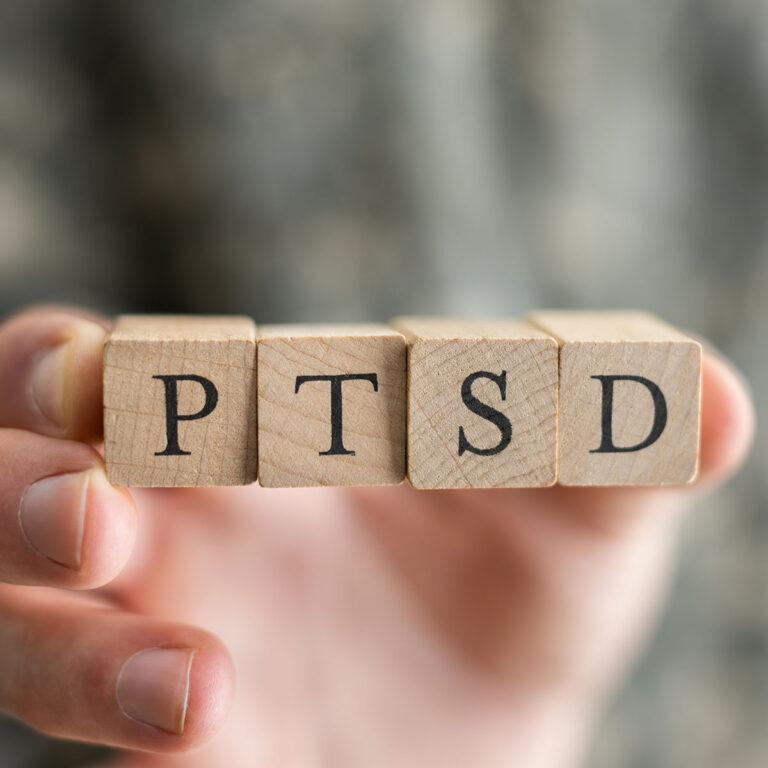
PTSD VA Disability — Key Medical & Claim Information
| Category | Information |
|---|---|
| Condition | Post-Traumatic Stress Disorder (PTSD) |
| Common Symptoms | Flashbacks, anxiety, irritability, avoidance, sleep problems, depression |
| Comorbid Conditions | Panic disorder, depression, chronic anxiety, substance use issues |
| VA Rating Range | Common ratings: 30% – 70%, with some qualifying for 100% |
| Who Is Affected | Veterans exposed to combat, MST, trauma, or high-stress operational environments |
| What VA Looks For | Impact on work, relationships, mood, self-care, daily function |
| Support Provided by Warrior Allegiance | Medical evidence review, DBQs, nexus letters, personal statements, strategy building |
| Reference Source |
Are You Rated 90% or Less?
At Warrior Allegiance, we fight for every veteran until they receive what they deserve. No upfront fees, no risk—only results.
PTSD Among Veterans
PTSD affects every veteran differently. Some struggle with intrusive thoughts and flashbacks that bring the past into the present. Others experience anxiety that feels constant. Many report irritability, anger, guilt, and emotional numbness. Some avoid places, people, and conversations. Some cannot sleep, while others sleep too much but still wake up exhausted.
The VA uses these symptoms to decide how severe PTSD is and what rating a veteran receives. The challenge is that PTSD does not always show up in a straightforward way. It affects mood, thinking, memory, focus, and behavior. It affects the ability to hold a job, communicate, maintain relationships, and handle stress.
Warrior Allegiance works with veterans to identify all symptoms — not only the ones the veteran thinks “count.” Many veterans underestimate their symptoms, but we make sure the VA does not.
Common Symptoms of PTSD the VA Evaluates
The VA reviews both visible and invisible symptoms. Here are the ones that matter most in your rating:
Flashbacks and intrusive memories
Chronic anxiety or fear
Hypervigilance and exaggerated startle response
Anger, irritability, and emotional outbursts
Avoidance of places, sounds, or people
Sleep problems, nightmares, and fatigue
Memory issues, confusion, or lack of focus
Depression and isolation
Feeling detached from others
Difficulty maintaining work and relationships
These symptoms are real. They affect daily life. And they are compensable under VA law.
VA PTSD Ratings Explained (30%, 50%, 70%, 100%)
30% PTSD Rating
Occasional work problems
Mild anxiety
Manageable but noticeable symptoms
50% PTSD Rating
Trouble with relationships
Regular panic attacks
Mood swings
Reduced reliability at work
70% PTSD Rating
Intense anxiety
Major difficulty maintaining work
Severe social problems
Suicidal thoughts
Episodes of violence or overwhelming panic
100% PTSD Rating
Total occupational and social impairment
Inability to function independently
Severe memory issues
Persistent danger to self or others
Disorientation, confusion, hallucinations
Most veterans are underrated. Many who sit at 30% or 50% actually meet 70% criteria. Warrior Allegiance identifies this by reviewing your full symptom picture and building strong evidence to match your correct level.
Where PTSD Comes From — Service-Related Causes
PTSD for veterans can come from many sources:
Combat exposure
Military sexual trauma (MST)
Training accidents
Vehicle rollovers or IEDs
Witnessing death or injury
Hostile environments and operational stress
Base violence or attacks
Repeated traumatic stress over time
Your trauma story is part of your service. It is valid. And it matters for your VA disability claim.
Are You Rated 90% or Less?
At Warrior Allegiance, we fight for every veteran until they receive what they deserve. No upfront fees, no risk—only results.
The Evidence the VA Needs for PTSD Claims
Most PTSD claims get denied or underrated because the VA says there is “not enough evidence.” Here is what actually works:
Required Evidence
Diagnosis from a licensed provider
Proof the stressor happened
A link between trauma and symptoms
Powerful Supporting Evidence
Nexus letters
DBQs
Personal statements
Buddy statements
Service records
Medical records
Behavioral history
Sleep, work, and family challenges
Warrior Allegiance helps organize all of this so your claim is strong, complete, and accurate.
Why PTSD Claims Get Denied or Underrated
Here are the most common reasons veterans lose benefits:
Missing a key piece of evidence
Not explaining symptoms clearly
Minimizing how bad things are
The VA misinterpreting symptoms
Incomplete C&P exams
Rushed evaluations
No supporting statements
No documented treatment
None of these are your fault. The process is confusing. Our team fixes these gaps and strengthens your entire case.
How Warrior Allegiance Helps Veterans With PTSD
1.
Free Consultation
We listen to your story and confirm eligibility with no commitment.
2.
CCS Introduction & Document Collection
We gather your records, history, and supporting documents to build a strong case.
3.
Intake Strategy Development
We design a specific plan for your case, highlighting your strongest evidence.
4.
Strategy Approval (QA/QC)
We double-check the strategy for accuracy and completeness.
5.
Doctor Booking
We schedule exams or DBQs with licensed medical providers.
6.
Packet Creation
We assemble a complete and organized VA claim packet.
7.
Packet QA/QC Review
We assemble a complete and organized VA claim packet to prevent errors or delays.
8.
Shipment / Submission to the VA
We submit your packet to the VA to start their review.
9.
Medical Liaison (Post-Submission Support)
We help with exams, VA requests, and ongoing updates.
10.
Accounting Review
We finalize internal case steps once the VA issues a decision.
11.
Shipping Department (100% Veterans)
Our veteran team sends you all final documents and summaries.
12.
Results
Over 90% of our cases achieve favorable outcomes.
Denials & New Rounds
If denied or underrated, we restart with a stronger strategy.
Little-Known Facts About PTSD VA Claims (New Insights)
These are details most veterans never hear:
You can have PTSD without ever seeing combat.
Delayed-onset PTSD is real and recognized by the VA.
You can qualify for PTSD even if your trauma was never reported.
Your spouse’s statement carries major weight.
Nightmares alone can influence your rating.
Hypervigilance and anger issues often qualify for higher ratings.
Secondary conditions (depression, anxiety, sleep apnea) can increase your total rating.
You do not need a Purple Heart or combat badge to win a PTSD claim.
Knowledge is power — and veterans deserve this information.
Are You Rated 90% or Less?
At Warrior Allegiance, we fight for every veteran until they receive what they deserve. No upfront fees, no risk—only results.